OPINION: Modern Sports Marketing and it’s Sexualization of Women
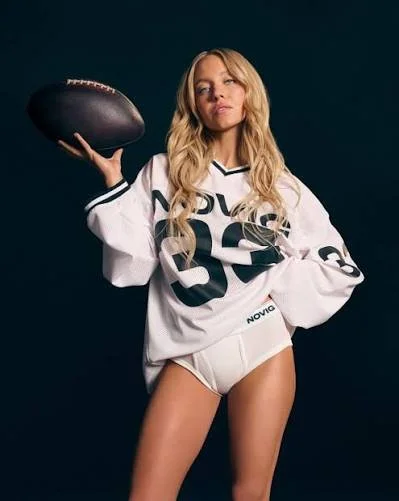
Instagram photo of Sydney Sweeney as a part of Novig promotional campaign
By: Libby Foster, Skyline Copy-Chief
ALPINE – Actor Sydney Sweeney has once again sparked controversy following her partnership with Novig, a sports betting app. This is Novig’s first national ad, which showed Sydney partially clothed and strategically covered by sports equipment as a part of the company’s “Just Sports” campaign.
Sweeney’s partnership with Novig is not just as an endorser but also an equity partner and creative director.
Full disclosure: I am a member of the Sul Ross volleyball team.
Novig’s ad sparked multiple statements and engagement from major female athletes such as Olympic medalists, WNBA players, and collegiate athletes. Within hours of its release, the commercial had tens of millions of views. However, beyond viral numbers, a complex conversation about modern advertising, gender stereotypes, and media strategy is up for discussion.
On one side of the discussion, the explicit visuals mark a step backward in how women are framed or portrayed in sports media. Many prominent female athletes have voiced frustration that Sydney Sweeney's ad reduces female figures to a sexualized prop. This ad undermines decades of effort to earn respect in sports based on skill, athletic accolades, and hard work.
Sul Ross State University female student-athletes have voiced their opinions on the matter: Chloe Witte, a soccer athlete, said, “We put hard work, blood, sweat, and tears into what we do, wanting to be viewed as something more than just our body. Sydney Sweeney lost my respect not only as an athlete but as a woman.”
Maddie Rhea, a basketball player, said, “It was targeted to get men’s attention while portraying women’s sports in a negative light. They could have done something interesting without putting other hardworking women down.”
Brianna Galvan, a volleyball player, said, “Women in sports already struggle with being sexualized on a daily basis when all we want to be is taken seriously.”
The outdated trope where women's involvement in athletics is defined by a woman’s appearance rather than merit has continuously been an issue within our society. Novig's ad reinforces that when sports products are marketed, it is being done through ornamental, provocative imagery that targets the male gaze.
This has affected not only professional athletes but also younger generations of female athletes. Women use sports to feel empowered because of the strength, skill, and effort put into their achievements. This ad demonstratesthe side of sports every female athlete hopes not to experience.
Sul Ross State’s Head Volleyball Coach Hollie King, said, “I think there’s an important conversation to have about what we normalize and put in front of children. Sports betting is an adult activity, so I personally think advertising for it should be presented in a way that is mindful of the fact that kids are also consuming sports content.”
King’s comment raises an important point: companies should be mindful of the content they push online, where young athletes, whether male or female, are likely to see it. Not only will young female athletes feel sexualized, but young male athletes will think that it’s okay to view their peers in such provocative ways.
Defenders of Sweeney and industry analysts see the campaign differently. Through a commercial lens, Sydney Sweeney drove mass attention. The prediction-market space is crowded, and the first marketing strategy for an emergent app is crucial for success. Novig had to spark conversation, which requires cutting through vast amounts of digital noise.
Sydney Sweeney, a high-profile cultural icon, drew immediate brand awareness. She herself, an equity partner in the campaign's creative direction, explained the thought process behind the ad. She described the ad as a playful way to draw attention strictly to sports betting. From a business perspective, Novig has succeeded as it effectively reached the target demographic, gaining mass media attention and establishing the brand’s presence overnight.
While not exactly defending the campaign, some people have offered different takes on the ad. John McIntosh, Assistant Director for Housing Operations at Sul Ross State University, said, “It’s been like that for ages. Sex sells.” Unfortunately, he is not wrong, as this is a recurring presentation for many ads. Women are not the only ones sexualized, but the issue is that they are less respected in turn because of it.
Men also face sexualization in sports as well, such as the Sexiest Man Alive Magazine covers or brand campaigns like Calvin Klein using famous actor Jeremy Allen or Super Bowl performer Bad Bunny. Ultimately, the issue lies within sports promotion. Both men and women are sexualized in campaigns; however, when it comes to sports media, women face a more lustful portrayal than men, which undermines their efforts and hard work.
Provocative imagery has remained a reliable catalyst for driving user attention and male viewer engagement. Instead of blaming the brands that create these ads, maybe we should shift the blame to the viewers who encourage them, interact with them, and let them gain attention. The ongoing tension between engagement and modern demands for respectful, merit-based representation of women in sports remains a major topic of conversation.