OPINION: Why Trump’s Media Ban Should Scare You
By: Maya Tinajero, Skyline Editor
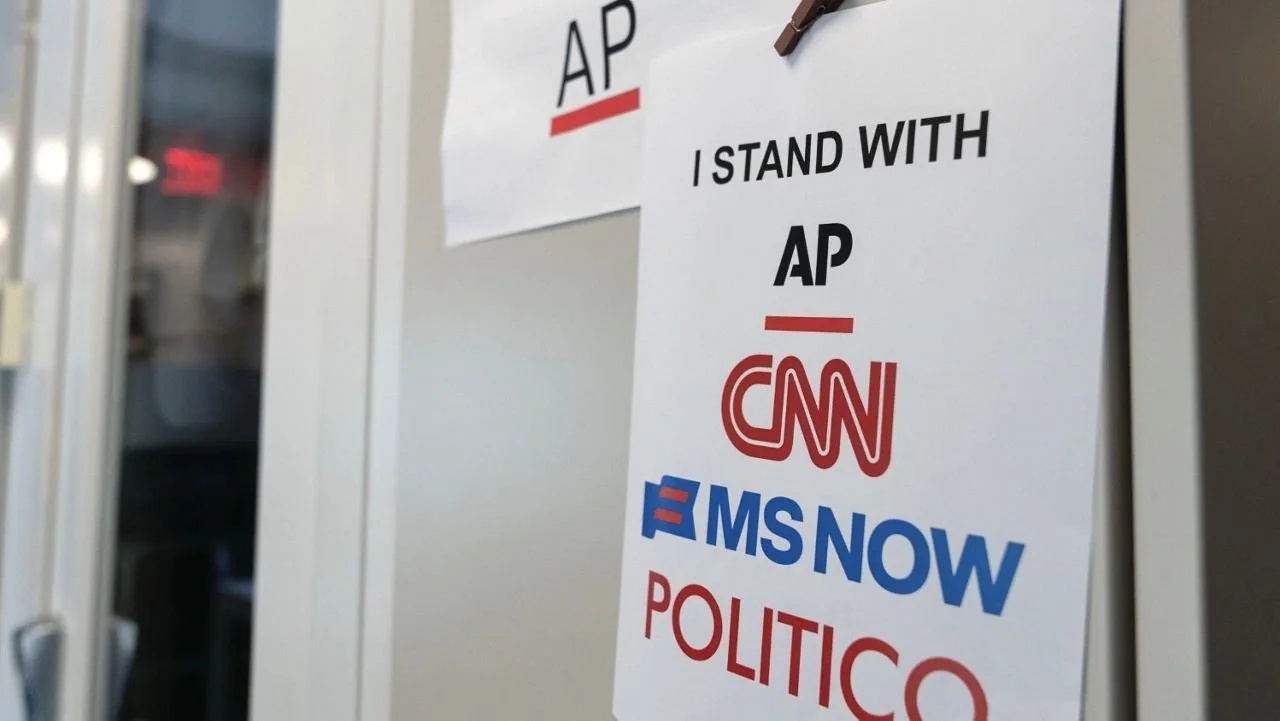
PHOENIX – On Sept. 18, President Trump decided to ban three media outlets from the White House. The president spewing his usual “fake news” rant accused CNN, Politico, and MSNOW of reporting “fiction and lies.” A judge blocked the president’s infantile ban after a week, stating that all three media outlets should be reinstated. While restoration came swiftly in this case, any attack on the freedom of the press is something all Americans should be cautious about.
If you have read up to this point, you will know that I am the editor of the Skyline. I have been a student journalist since my freshman year of college, and I have dedicated much of my college career to learning ethics, goals, failures, and methods of journalism. It is for these reasons that President Trump’s attempt at limiting and controlling the media comes off as increasingly alarming.
The sentiment “whoever controls the media controls the mind” has been attributed to various historical figures. Regardless of where the idea originated, it is nevertheless true. Journalists shape how society sees itself. The media’s responsibility is to decide which stories are told and how they are framed.
According to Pew Research Center, 56% of adults say they have “a lot of or some trust” in the information they receive from national news. The percentage of adults who trust local news organizations is higher, at 70%. For as long as the media has existed, so has the mistrust between us and our readers. Of course, this mistrust is not entirely unprompted; scandals such as Jayson Blair’s plagiarism at the New York Times and Brian William’s exaggerated Iraq experience on NBC Nightly News are just a few examples. However alarming these incidents may be, they are surely not more alarming than someone as influential as the president of the United States deciding which news outlets are allowed to cover his administration.
In a report by the U.S. Press Freedom Tracker, more than 30 journalists were detained in 2025; nearly all were released without charges, or the charges were quickly dropped. Most of these incidents also occurred as journalists were covering protests of Trump’s immigration policies. According to the same source, U.S. press members have experienced about as many assaults in 2026 as the three previous years combined. This uptick in violence follows not only widespread civil unrest but also extensive anti-media rhetoric directly from the current presidency.
Professional journalists also aren’t the only ones under attack. From ICE’s abduction of Tuft University international doctoral student Rümeysa Öztürk to the firing of the Director of Student Media Jim Rodenbush at Indiana University, America’s student press is being starved and snuffed out. The Student Press Law Center is a 51-year-old non-profit that provides a legal hotline to student journalists. According to SPLC, calls for legal help rose42% from the 2022-2023 school year to 2024-2025. Tangible legal matters aren’t the only issue either. The subject of prior restraint has become a recurring topic in the Skyline newsroom. As we fight to deliver timely, relevant, and impactful news to our community, we also must not succumb to the fear of possible censorship. To their credit, the powers that be at Sul Ross have never during my tenure at the Skyline attempted to censor our stories or limit our reporting.
Trump’s recent attack on the press is an attempt to funnel the information being shared about his administration, a desperate effort to dodge accountability as he has done for all these years. The media can be flawed; however, establishing freedom of the press in the First Amendment not only ensured the protection of journalists, but also media consumers. More than a constitutional right, a free press safeguards our democracy.