Learning to be Monsters: A Review on Guillermo Del Toro’s Frankenstein
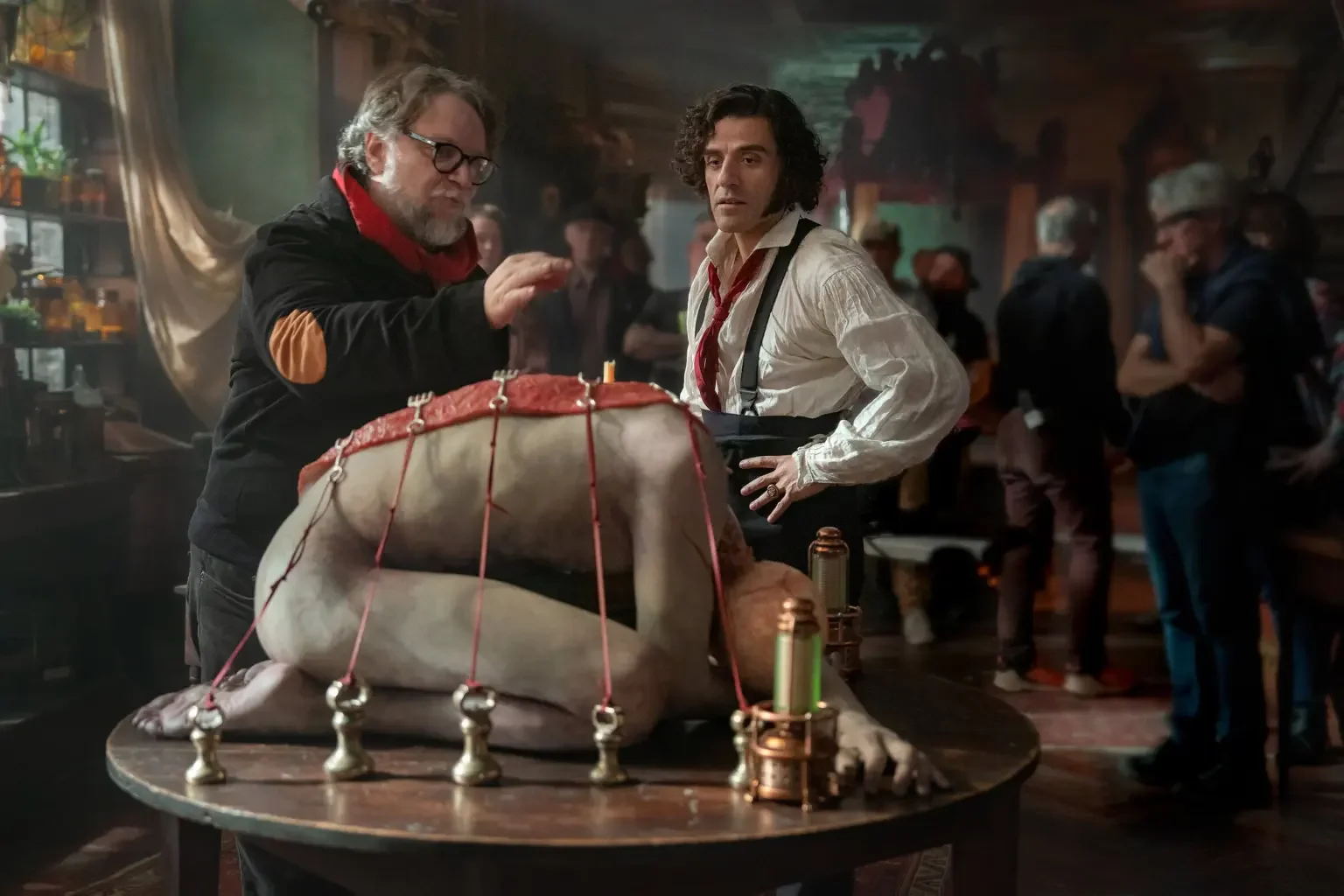
Copyright: © 2025 Netflix, Inc.
By: Maya Tinajero, Skyline Desk-Chief
ALPINE – Mary Shelley’s Frankenstein is a morbidly beautiful story about the experimentalist Victor Frankenstein and his creature, a nameless being made of deceased men's body parts. The story is, at its heart, one of creation, humanity, and the pursuit of knowledge. The gothic tale has been recited many times, most recently by Mexican filmmaker Guillermo Del Toro. Del Toro’s Frankenstein was released in select theatres on October 17 before its global release on Netflix, November 7.
Del Toro is well known for blending genres, most often science fiction, fantasy, and horror, such as Pan’s Labyrinth and The Shape of Water. Throughout the film's press tour, Del Toro emphasized the personal importance of this project, telling CBS, “It's [Frankenstein] in all of my movies. All 13 movies have elements of the film.” The filmmaker’s previous project for Netflix was a stop-motion adaptation of Pinocchio set in fascist Italy. Similar to Frankenstein, the film explores a father and son's relationship.
Those expecting a page-by-page adaptation of the novel are likely to be disappointed, as the film removes original characters and introduces several new storylines. The highlighted differences that Del Toro introduces, however, are stellar and done with much respect to the original source material. During the film’s press tour, Del Toro told CBS Sunday Morning, "You transmute, you don’t translate.”
In transmuting Shelley’s novel, Del Toro gifts the audience with an alluring father-son relationship, leaning into the more extreme personalities of both Victor and the creature. It is essentially spelled out for the audience that Victor is the film’s “monster”, while the creature's innocence and morality are even more showcased than in the novel. This dichotomy between the two main characters creates an increasingly tender conclusion to their story. It is also interesting to see the additional character arc of Elizabeth, Victor’s love interest in the novel. In Del Toro’s adaptation, Elizabeth takes on a much more central role in the story’s plot, as she is seen empathizing with the creature, leading the two to form a very close relationship. Besides his love for the macabre, Del Toro’s visuals are also a key part of his filmography, Frankenstein being no exception. The cinematography of the film is stunning and holds as much significance as the dialogue shared between characters.
Although Del Toro’s adaptation showcases a more familial relationship between Victor and the creature, one that explores generational trauma, the overall lesson of the novel remains. During his acceptance speech for the Icon Award at the Savannah Film Festival, actor Oscar Isaac, who portrays Victor Frankenstein in the film, said, “I present to you our film [Frankenstein] in the spirit in which it was made, as a call to compassion. A plea to recognize the other as family, worthy of life, of love, of dignity. To understand what it means to become a monster and what it truly means to be a human.”
